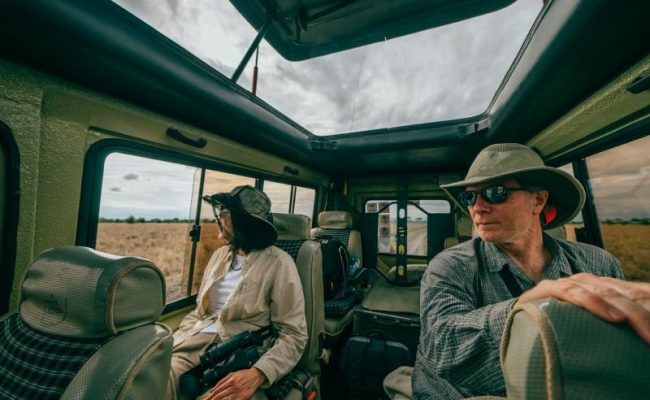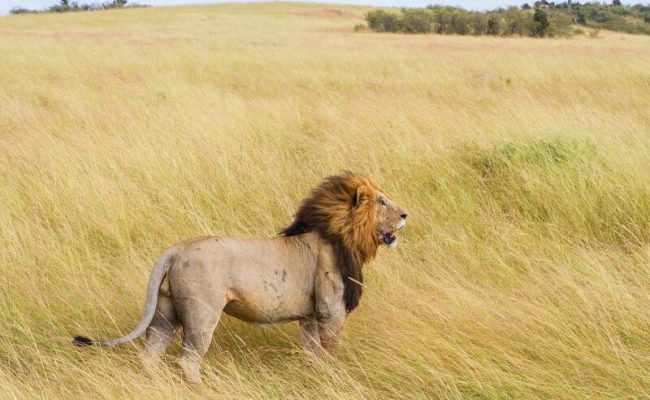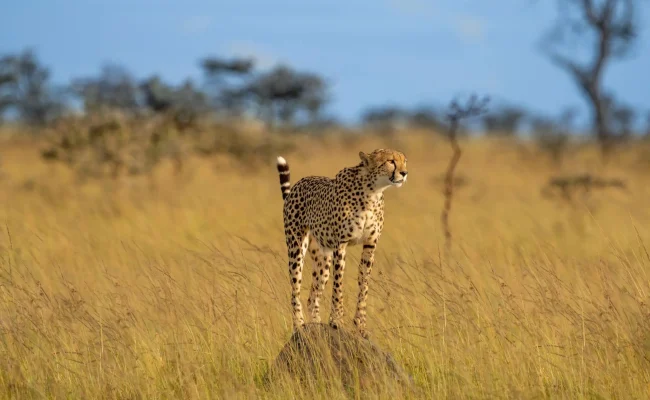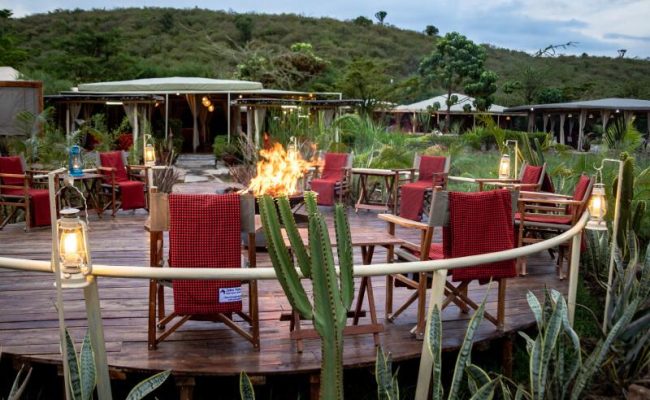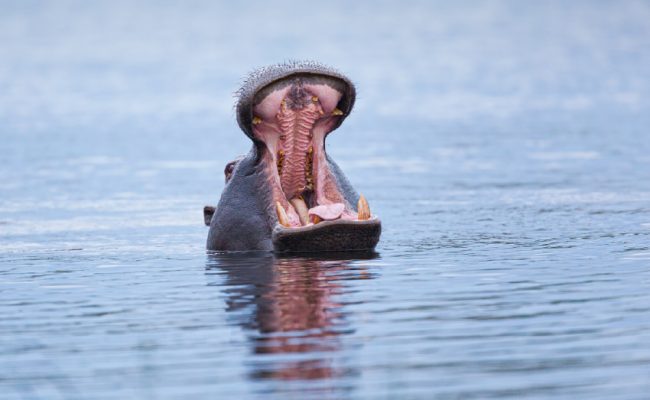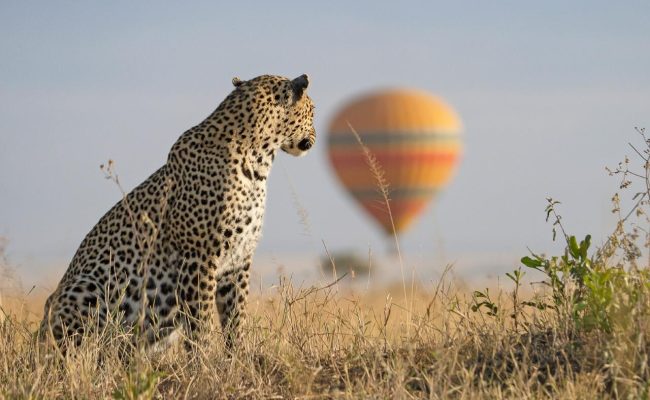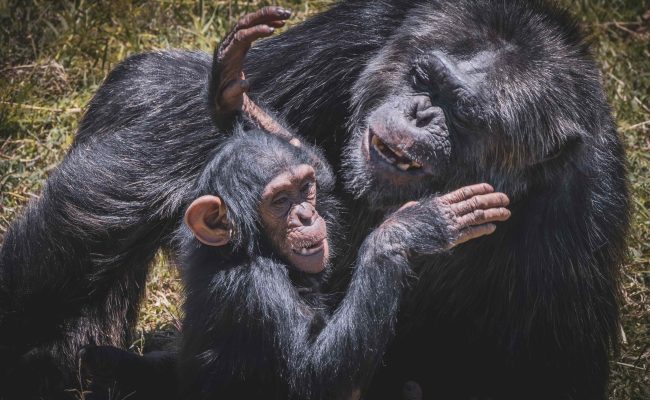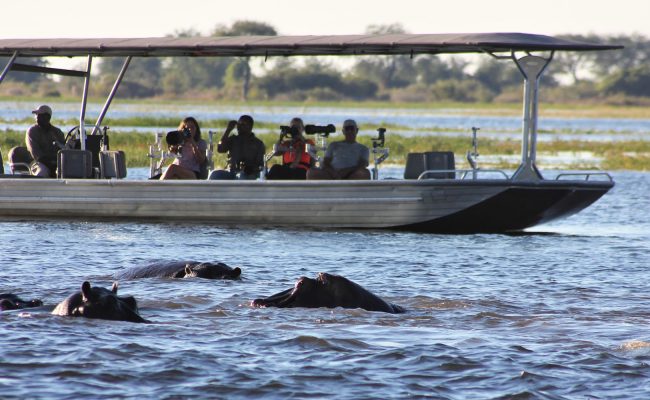
The conservancy tops with the highest number of black rhinos in East Africa. The only place in Kenya to see chimpanzees in their natural habitat. This is the legacy of Ol Pejeta Wildlife Conservancy. But there’s so much more to see in this private reserve. With just a short drive from Nairobi, in just 3 days you’ll have opportunities to experience large and small wildlife – the common animals, the unusual and even the endangered. This short Africa safari is easily arranged and can even be the shortest holiday for you.
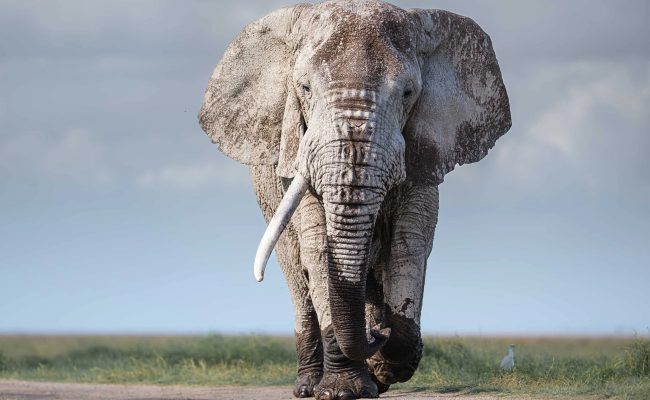
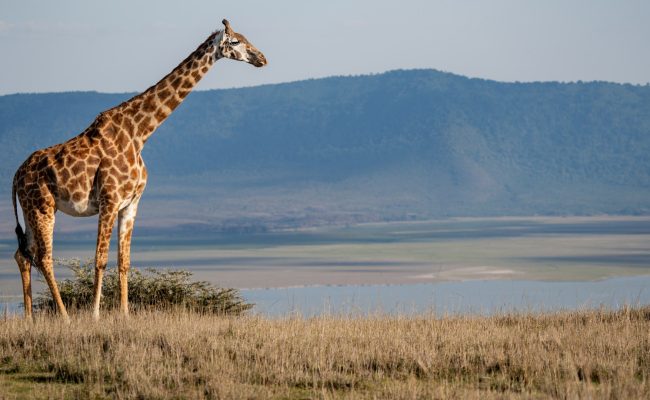
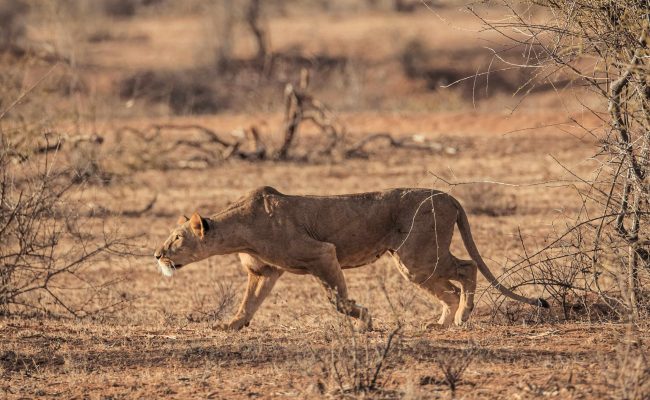
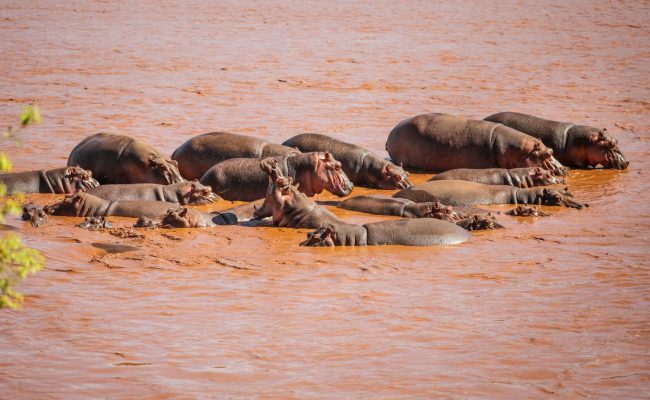
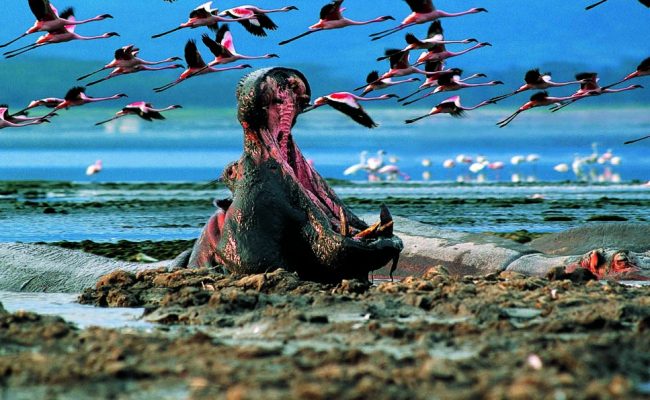
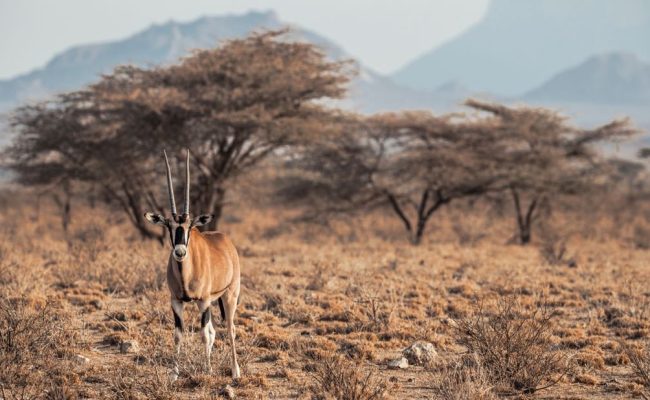
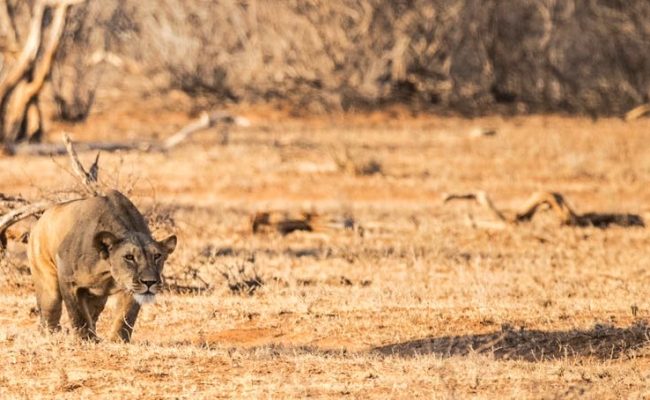
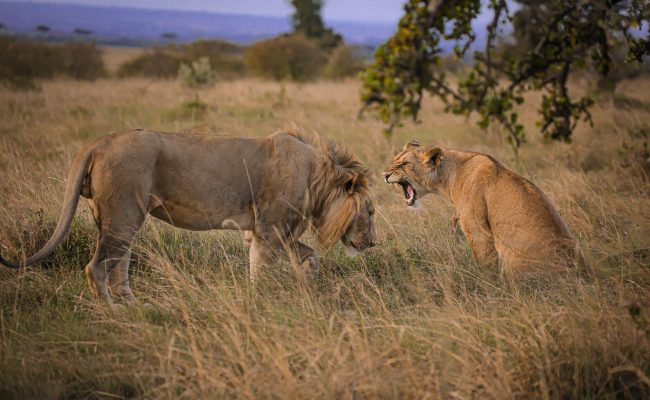
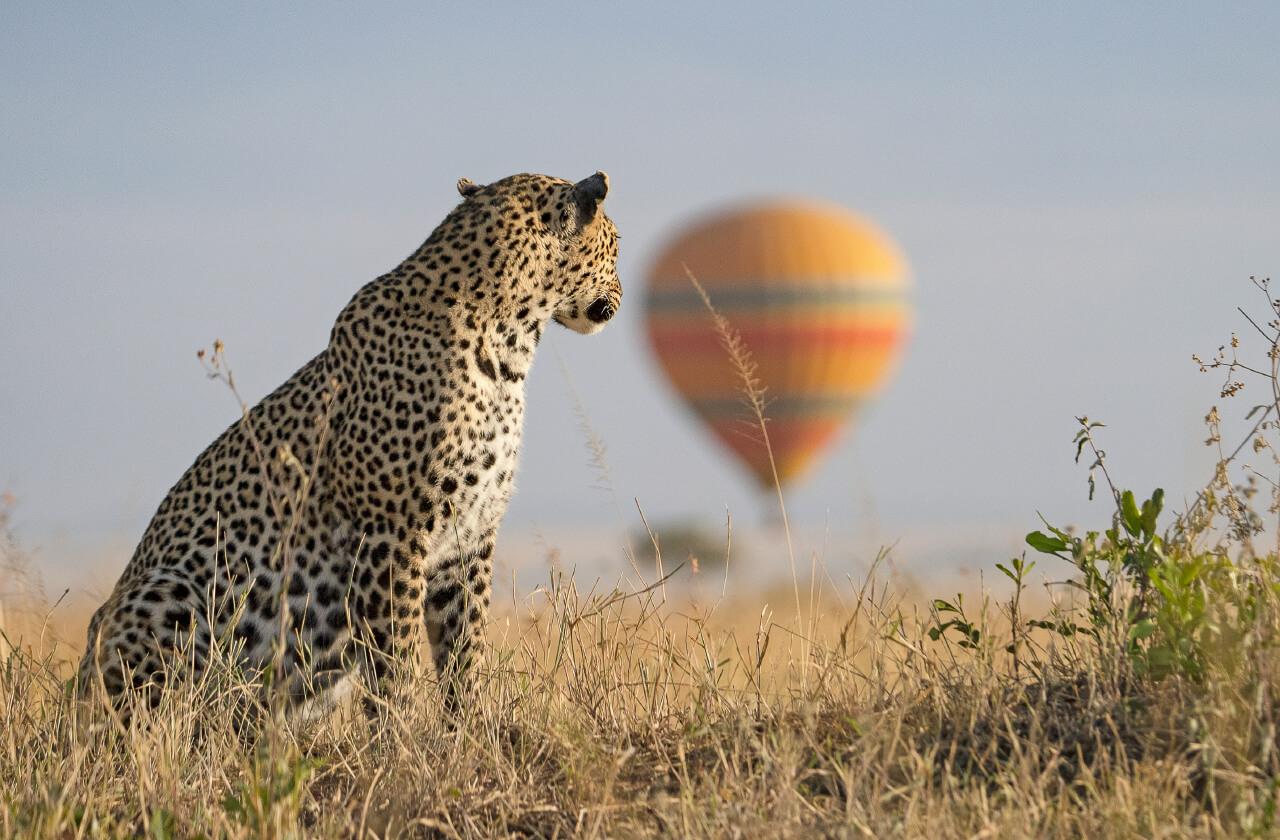
On your safari to Ol Pejeta; discover on game viewing drives including opportunities to see Rhino and Chimpanzee. Witness the Big 5 Kenya safari animals from; Elephants, Tree hyrax, White tailed mongoose, Black Fronted Dicker, Mole Rat, Bushbuck, Waterbuck, Elands, Rhino, Chimpanzee.
5 Star Lodge
2 Breakfasts, 3 Lunches & 2 Dinners
4x4 Vehicle
3-100
English
Private Tour
4-100 (Years)
All Good
Adventure
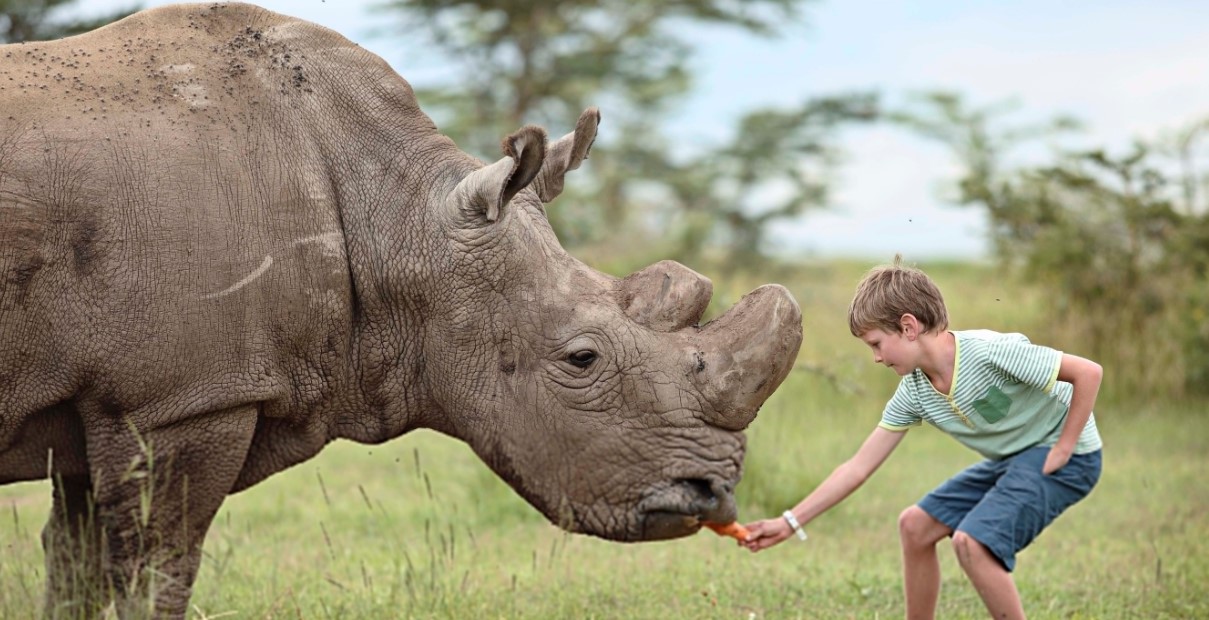
Baraka was one of the first ever rhinos to be born on the plains of Ol Pejeta to his mother Carol. He was thriving and had carved a territory in the Western Sector of Ol Pejeta, which he defended with all his might. Unfortunately, in 2008 it was during one of these defensive missions with another male rhino that Baraka lost his right eye. Baraka then went on to lose his left eye to cataracts, leaving him completely blind and unable to survive in the wild. Get the chance to visit and feed Baraka.
Whether you're visiting Kenya for a romantic getaway, an adventure, or a luxury holiday vacation, finding the right accommodation with excellent facilities enhances your experience.
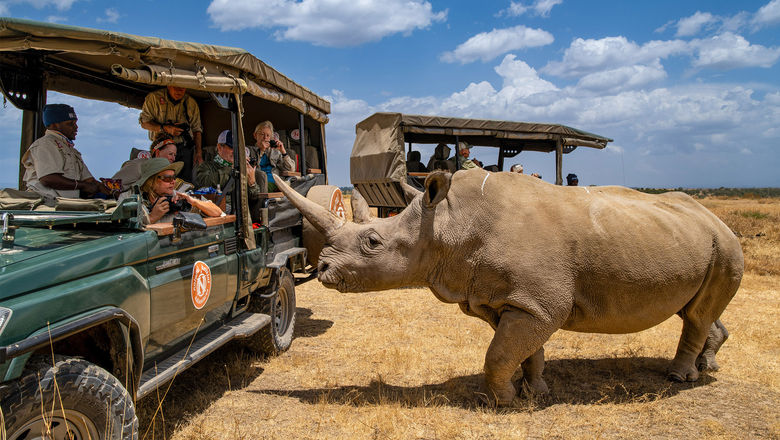
This 283-hectare drive-through enclosure next to the Morani Information Centre is home to the last three remaining northern white rhinos (one male and two females), an ever-so-close-to-being-extinct subspecies. The rhinos were brought here from the Dvur Kralove Zoo in the Czech Republic in 2009, but have not yet bred successfully. Also in the enclosure are the endangered Grevy's zebra and Jackson's hartebeest.
Whether you're visiting Kenya for a romantic getaway, an adventure, or a luxury holiday vacation, finding the right accommodation with excellent facilities enhances your experience.
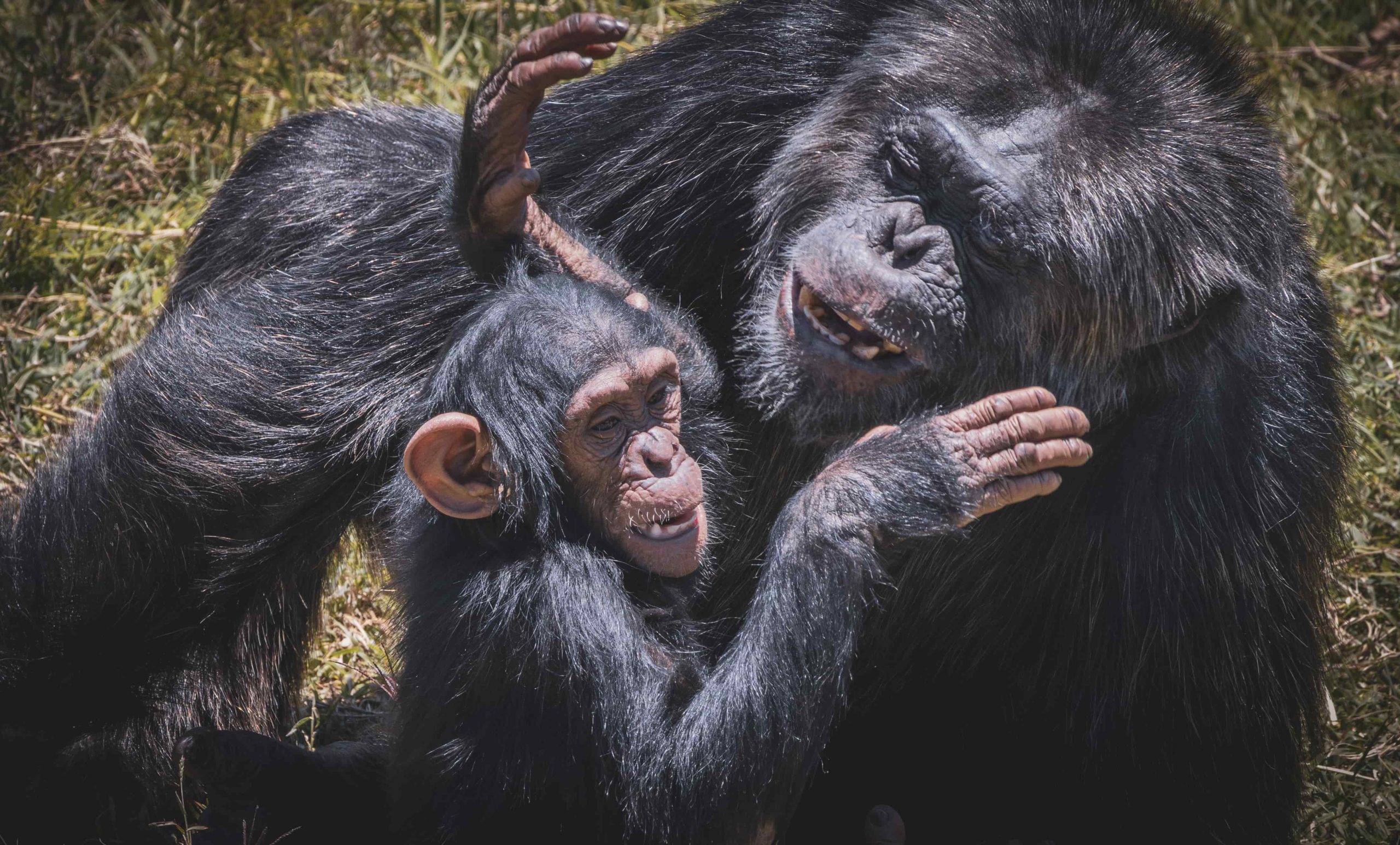
Home to 39 profoundly damaged chimpanzees rescued from captivity across Africa and further afield, Ol Pejeta's Chimp Sanctuary encompasses two large enclosures cut in two by the Ewaso Ngiro River. There's an elevated observation post and keepers are usually on hand to explain a little about each chimp's backstory; note the tiny replica cage in which one of the chimps was chained for years on end prior to being brought to the sanctuary.
Whether you're visiting Kenya for a romantic getaway, an adventure, or a luxury holiday vacation, finding the right accommodation with excellent facilities enhances your experience.
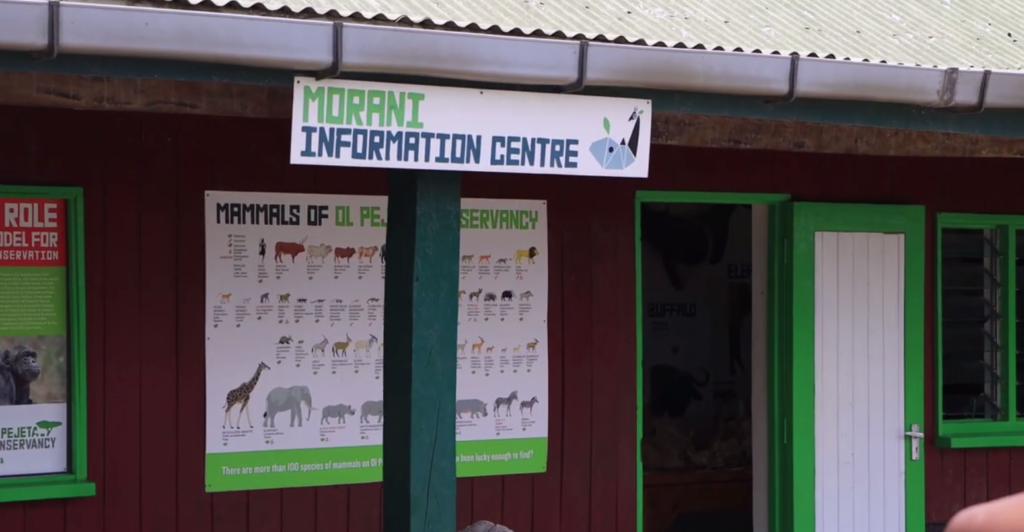
Part education or interpretation centre, part museum, this three-roomed structure is appealingly interactive and comes with instructions to 'please touch' the leopard skin, antelope horns and other similar objects. You'll also find displays and information on Ol Pejeta's predator-proof bomas (cattle enclosures designed to keep predators out) and the history of the conservancy's rhino conservation work.
Whether you're visiting Kenya for a romantic getaway, an adventure, or a luxury holiday vacation, finding the right accommodation with excellent facilities enhances your experience.
“When it comes to seeing wildlife while on safari, this is wild nature and nothing can be guaranteed. You may see plenty of animals, including the Big Five. But there will be game drives when you don’t see very much at all. That will make the sightings you do see all the more special. The joy of safaris, and what makes them so addictive, is that you just never know what you might see around the next corner. If you listen closely to, and learn from your guide, you’ll be able to enjoy all aspects of Africa’s wildlife. Everything from baobab trees to dung beetle, to chameleon and cheeky mongoose. Don’t forget to also focus on the birds, as even a very quiet game drive usually delivers some great bird sightings.”
“The costs of an African safari can vary enormously. You could pay anything from US$160 to US$1,000 per person per night, sometimes considerably more. Safaris can be an expensive holiday, and you generally get what you pay for. At the budget end of the spectrum are African safari packages where you join organized tours, departing on set dates, with other groups of people. Kenya and Tanzania offer some of the best value-for-money safaris.
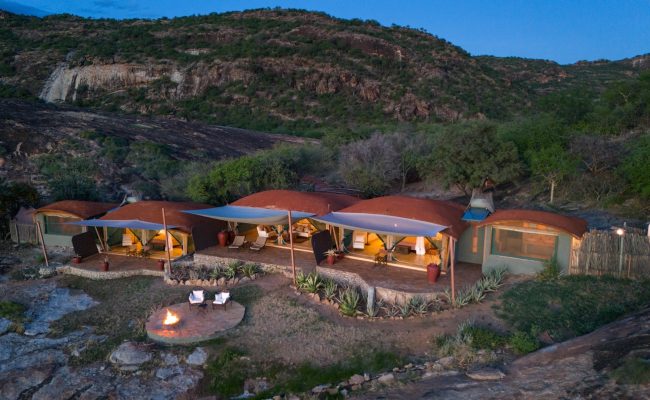
Your choice of safari accommodations will affect the cost of your safari. Mobile safaris, where you sleep in tents, are great for groups of friends or families traveling together. Some safari lodges have taken luxury to the extreme, with private plunge pools etc. That said, you will probably have the same wildlife-viewing experience if staying in a more rustic lodge. It’s a matter of deciding what features are most important to you.
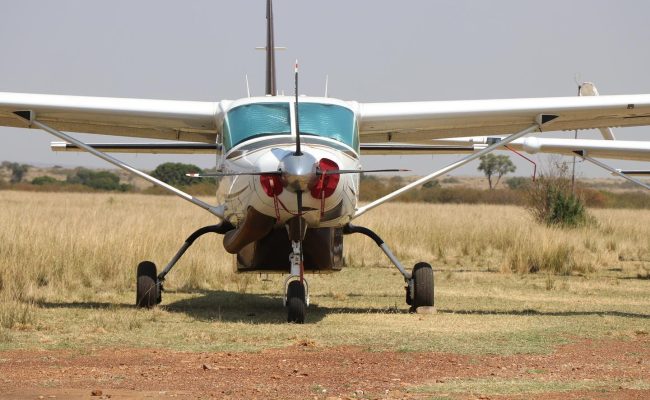
If your reserve or lodge is remote, getting there will also impact the price. There are no road transfers, so this adds to the price of your trip. The Serengeti is accessible by road, but this is a long, bone-rattling journey. It’s much easier and more comfortable to take a quick fly-in trip in a charter plane.
Whatever the costs of your safari, if you’ve experienced good service, do tip generously. A few extra dollars or euros will make a huge difference to your guide or lodge staff.”
“There are a lot of considerations to be taken into account when choosing an African safari holiday. These include:
If you are on safari with children, choose a family-friendly tours or lodges. In addition, you may prefer to choose a safari in a malaria-free area, for example in parts of Masai Mara.
What type of safari do you want to go on? There are organized tours, departing on set dates, joining other groups of people. Or do you want an exclusive, tailor-made private safaris just for you? Are you happy to camp or do you want to stay in a luxury safari lodge? Your budget will probably determine your choices.
Do you want to combine your safari with beach holidays, Kenya and Tanzania? Or a trip to Victoria Falls? This will help determine which country to choose.”
“The best time of year, and the peak season, for most safaris is the Dry season. This is when the bush is less dense, and the wildlife is drawn to waterholes. Generally, the wildlife is easier to find and see at this time. The Dry season means bright sunny days, and cooler nights. Of course, as the Dry season is peak safari season, there are more travelers and prices are higher. Dry season generally falls from May/June to September/October.
You may also wish to consider going during the Green season (also known as the Wet season or Emerald season). Although it may rain, often the showers are short downpours and then the sun comes back out again. It can be much cheaper to travel then, the bush is lush and green, and this is the breeding season for many of the animals. In East Africa, there are two Green seasons – the long rains between March and April or May, and the short rains from approximately late October or November into early December. In southern Africa the Green season is approximately from November to March. Temperatures can get very hot. Note that when it is wet there are more bugs and a greater risk of malaria.”
“All African safari holidays run to the same typical timetable. The best times to see wildlife, particularly predators being active, is at the beginning and end of the day. These golden hours at dawn and dusk are also the best times for photography. So be prepared for very early starts!
You will usually be woken at dawn, and given tea, coffee, rusks or cereal. The aim is to get going on your game drive as early as possible at first light. The morning game drive usually lasts three to four hours, including a coffee and comfort break. You return to your camp or lodge for brunch. Then you are free to relax and take a siesta, or perhaps lie by the pool, during the middle of the day. It’s a good idea to bring something to read for this downtime.
Later in the afternoon you will meet again for tea and snacks, before setting out on your second game drive of the day. This will usually include a stop for sundowner drinks, to watch the setting sun. Evening meals are usually served just after returning to camp. In some countries night drives are offered after dinner at around 8pm. Such drives can be a unique opportunity to spot nocturnal wildlife such as genets.
Unless you have paid for exclusive use, be prepared for sharing your game-drive vehicle with other guests. This can be huge fun (although sometimes you need to be quite tolerant). It is always a good idea to offer to swap around your seating positions during your safari.”
0 based on 0 reviews
6+ Expert Guides Await to Help You
Other curated list of popular safari packages based on different destinations.
Copyright 2025 Big 5 Kenya Safaris | All Rights Reserved.
Accepted Payment Methods :
Big 5 Kenya Safaris
Typically replies within minutes
Do you know where you want to travel to?
WhatsApp Us
Online | Privacy policy
WhatsApp Us