Itinerary
Expand All +-

Ol Pejeta ( Departure: 7:30 am - 8:00am )
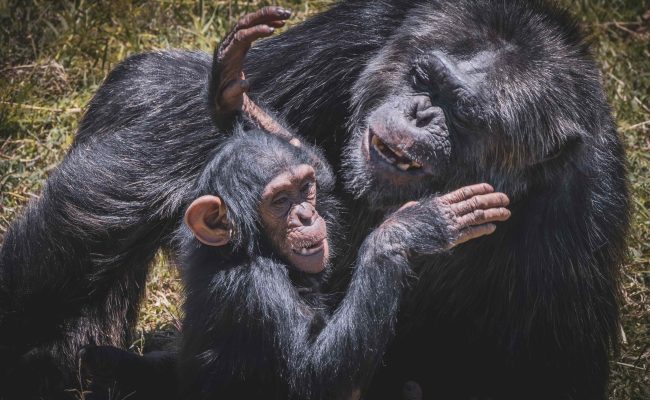
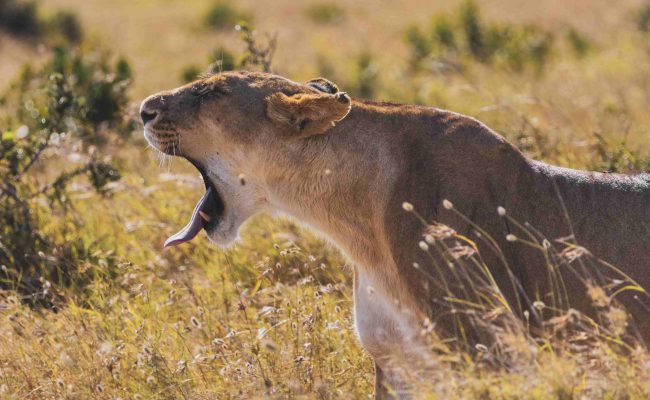
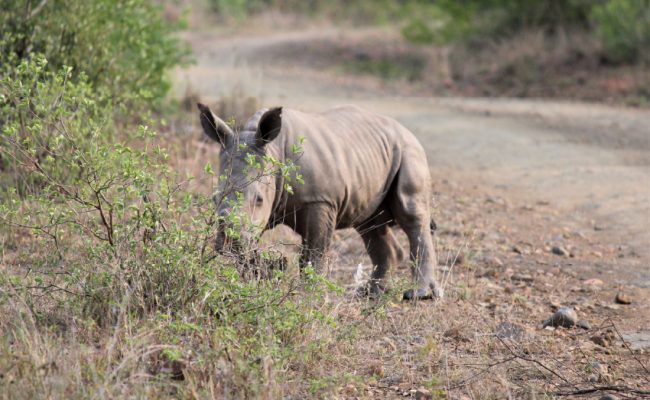
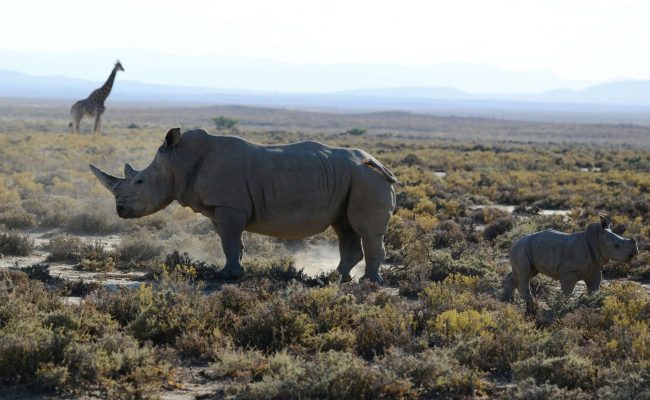
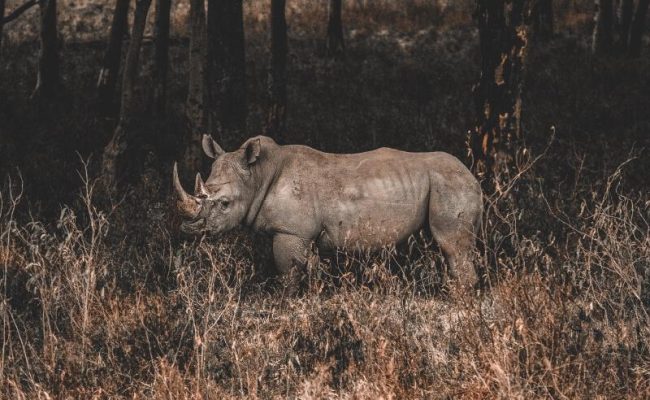
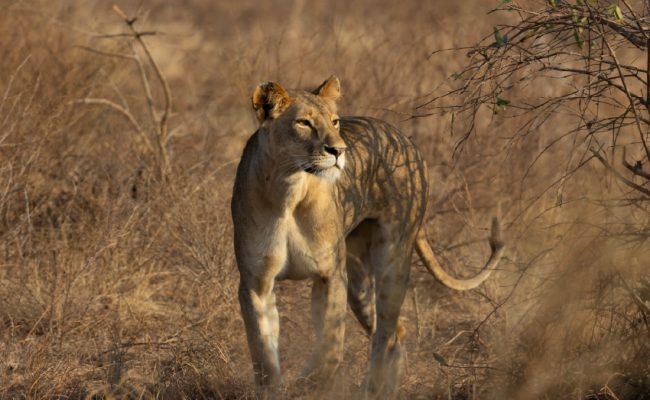
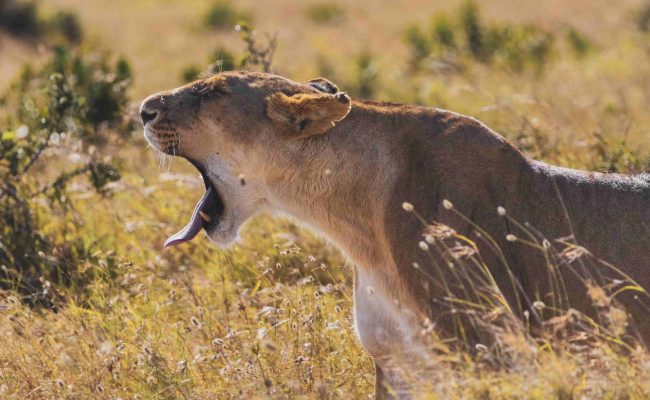
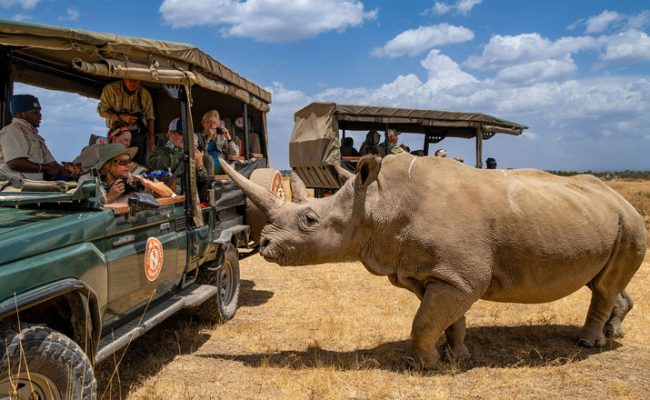
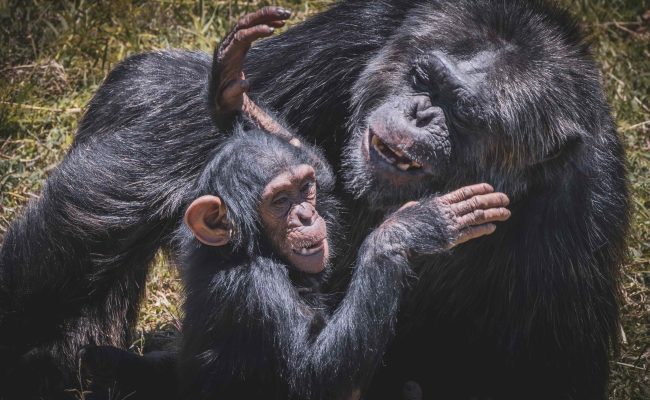
(We’ll cover approximately 4hrs.) 07:30 hrs. Your driver/guide will pick up from your Nairobi hotel or Nairobi airport for the 4x4 road trip to Ol Pejeta. We’ll travel through the Equator and even make stops to view this historical point. Arriving at Ol Pejeta, we’ll break for lunch and then embark on our first game drive of the safari! There’s so much to see in this special reserve – six prides of lions roam these plains along with other big cats and other grazers. We’ll explore the endangered species enclosure – a large drive-through area, home to a great population of black rhinos. Adding more fun to this versatile park is the Sweetwaters Chimpanzee Sanctuary – the only place in Kenya where you can observe these intelligent and charming creatures. We’ll spend the night at Ol Pejeta at your choice of safari lodge or tented camp.-
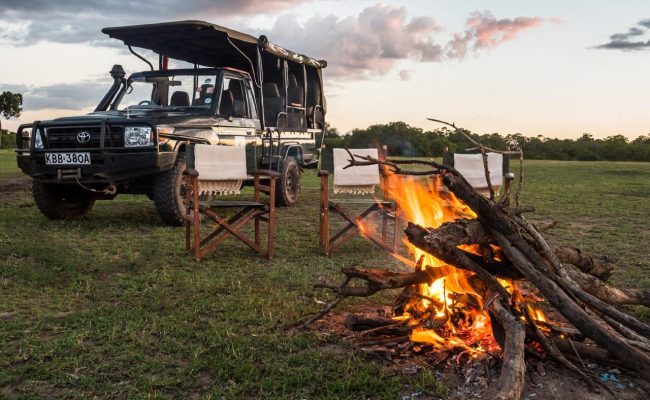
4x4 Pop-up Land Cruiser

Transport:
-
Game Viewing Drives

Activities:
-
Lunch & Dinner

Meals:
-
View HotelMaisha Sweetwaters Camp

Accomodation:
-
-
Ol Pejeta ( Deaprture: 6:00 am - 5:30pm )
Today shall be spent within the Olpejeta exploring the wildlife rich conservancy on private game viewing drives. There is so much to see in this expansive conservancy and you shall be spoilt for choice. We shall spend the night at Ol Pejeta at your choice of safari lodge or tented camp.-
4x4 Pop-up Land Cruiser
Transport:
-
Game Viewing Drives
Activities:
-
Breakfast, Lunch, Dinner
Meals:
-
View HotelMaisha Sweetwaters Camp
Accomodation:
-
-
Lake Naivasha ( Deaprture: 6:00 am - 5:30pm )
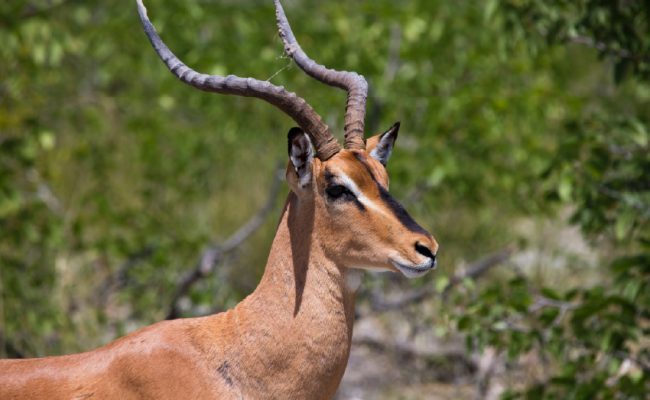
(An estimated coverage of 230Km – Approx. 4 hrs.) There’s so much wildlife in Ol Pejeta – we’ll take an early morning game drive to see who we can spot before departing this lovely preserve. (Last morning drive only for those staying inside the park). We’re now headed through the Rift Valley on a scenic drive to Lake Naivasha. Along the way, we’ll stop at 74 m (243 ft) Thompson’s Falls to admire its dramatic cascades. Continuing, we’ll arrive at Lake Naivasha in time for an afternoon boat safari across the lake. This is an easy, relaxing ride, sailing past hippos and exotic birdlife dotting the lake and its shores. Nearby, we may spot antelope, zebra, buffalo, eland, and impala perhaps grazing on the shore. We should also have time for a guided walking safari to nearby Crescent Island Game Sanctuary. It’s a quick walk to this small park where we’ll spot impala, gazelle and other grazers close-by. We’ll spend the night at the Lake Naivasha safari lodge or tented camp of your choice.-
4x4 Pop-up Land Cruiser
Transport:
-
Game Viewing Drives
Activities:
-
Breakfast, Lunch, Dinner
Meals:
-
View HotelSawela Lodge
Accomodation:
-
-
Masai Mara ( Deaprture: 6:00 am - 5:30pm )
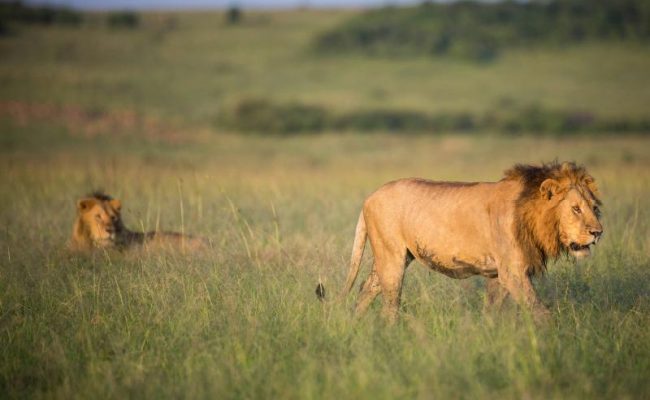
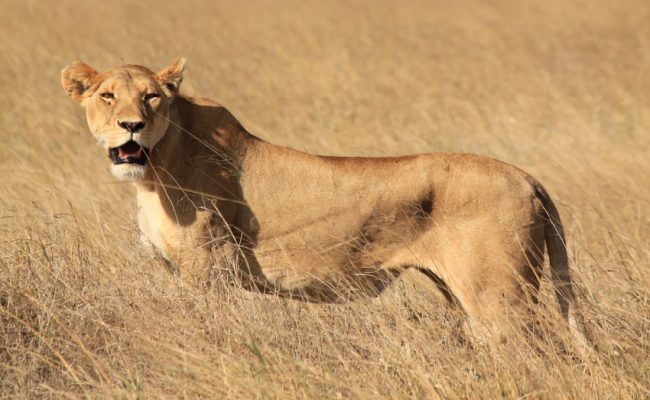
Coverage of approximately 4-5 hrs. After breakfast depart for world-famous Masai Mara Reserve. (Optional activity in Naivasha: visit to Hell’s Gate National Park at an extra USD 35 Per Person). Our drive will take us past the dramatic rises and gorges of the Great Rift Valley, passing through Masai country. The Masai Mara impresses visitors with its vast spaces but also with its amazing displays of wildlife, said to contain the greatest density of lions in the world. We’ll arrive at the great park with plenty of time for an afternoon game drive. Over its rolling green hills and golden savannahs, we’ll be looking for the big cats, elephant, giraffe, ostrich, warthog, plus buffalo and more. We’ll spend the next two nights at the Masai Mara at your safari lodge or tented camp.-
4x4 Pop-up Land Cruiser
Transport:
-
Game Viewing Drives
Activities:
-
Breakfast, Lunch, Dinner
Meals:
-
View HotelEntim Camp
Accomodation:
-
-
Masai Mara ( Deaprture: 6:00 am - 5:30pm )
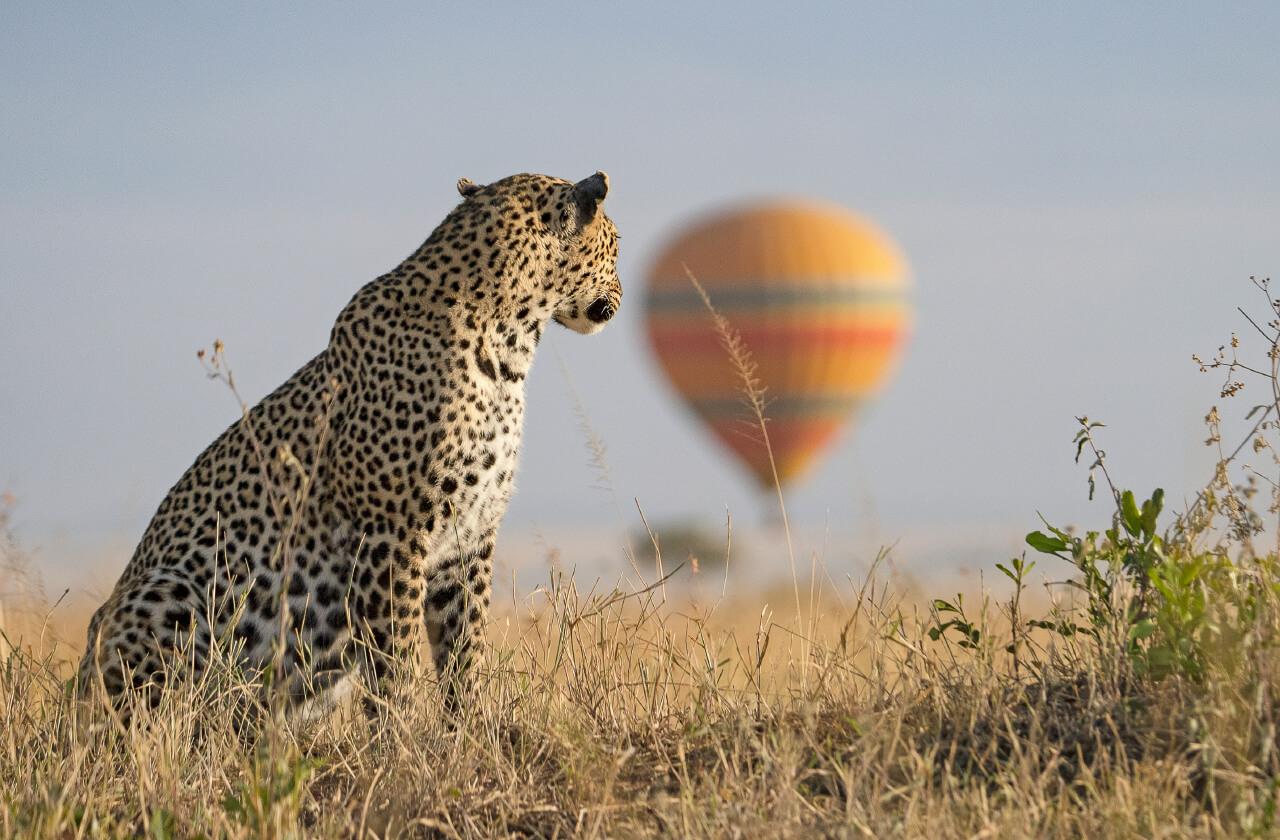
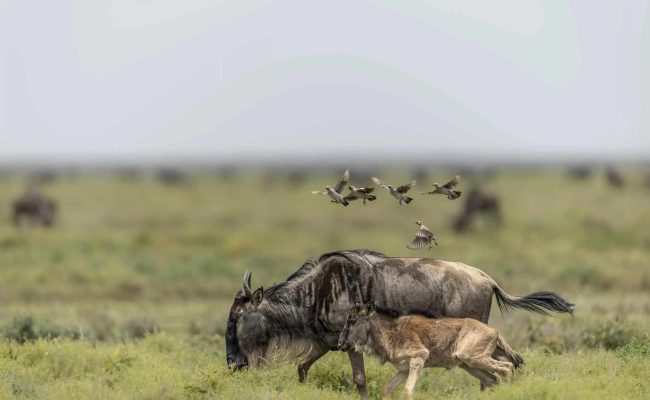
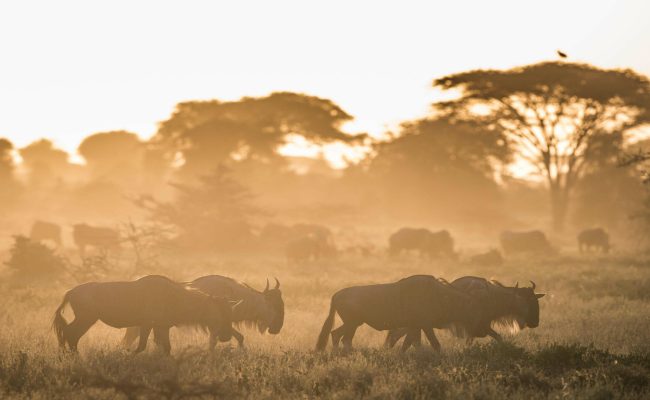
We’re at the best wildlife park in the world so let’s get up early to enjoy it! We’ll see the light breaking over the reserve, with fresh tracks of wildlife impressed on the morning dew. The sun’s rays breaking through the park’s many iconic acacia trees signal new beginnings and great possibilities. This is a day of unlimited game drives and fulfilling exploration. Sightings of lion are common on these plains and we will track the mighty creatures. The park is also known as the place where the greatest movement of animals on the planet occurs – the Great Migration. If you are here during the migrating season (July – October) you’ll be witness to thousands and perhaps tens of thousands of gazelle, wildebeest, and zebra pouring into the park over the Mara River. We’ll enjoy lunch by the river and if in season, watch the torrent of wildlife flood into the park. Also, nearby, we’ll look for hippos and crocodiles in their river habitat. Rounding out your first-hand experience here, we offer several optional activities: Visit the local Maasai tribe at their village. See their lifestyle and culture up close and take in their colourful ceremonies. For the ultimate safari, hop aboard a hot air balloon for a pre-dawn ride over the park. You’ll see the sun light up the savannah while the park comes alive below. This is an inspiring and unforgettable moment you’ll be talking about for years. Just ask your driver/guide to make the arrangements. Our final night at the Masai Mara will be at the safari lodge or tented camp of your choice.-
4x4 Pop-up Land Cruiser
Transport:
-
Game Viewing Drives
Activities:
-
Breakfast, Lunch, Dinner
Meals:
-
View HotelEntim Camp
Accomodation:
-
-
Serengeti ( Deaprture: 6:00 am - 5:30pm )
Depart Masai Mara and proceed across the border in to Tanzania and the Serengeti game reserve. Today’s total driving time is approximately 6-7 hrs. with stops, including border crossing. It is well located for game viewing drives together with optional activities including balloon safari excursions and guided nature / bird walks. Afternoon game viewing drive at the Serengeti. Overnight at your Serengeti safari lodge/ tented camp.-
4x4 Pop-up Land Cruiser
Transport:
-
Game Viewing Drives
Activities:
-
Breakfast, Lunch, Dinner
Meals:
-
View HotelSerengeti Tortilis Camp
Accomodation:
-
-
Serengeti ( Deaprture: 6:00 am - 5:30pm )
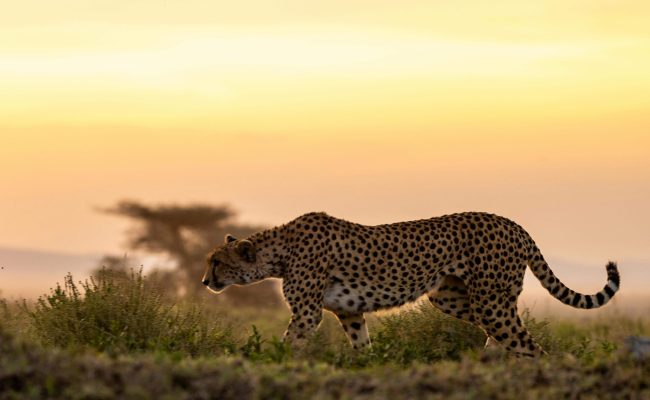
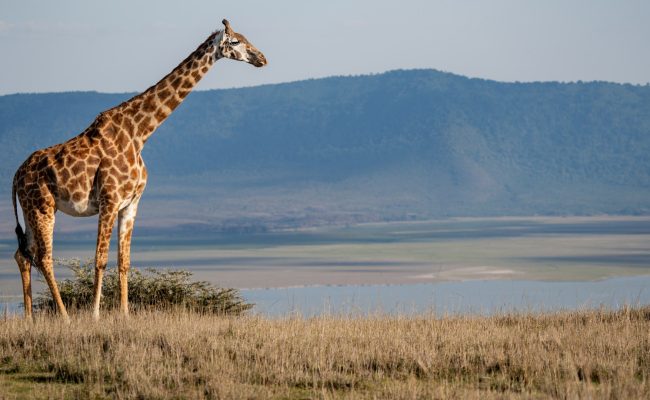
A full day game viewing drive as we explore this vast nature rich wildlife reserve. Options of morning and afternoon or full day game viewing drives are available to you. Serengeti is also a pride of its lions which have been fitted with radio- transmitter collars so that their movements may be tracked. Other wildlife includes cheetah, zebra, giraffe, Thomson’s and Grant’s gazelle, eland, impala, klipspringer, hippo and warthog. Overnight at your Serengeti safari lodge or tented camp.-
4x4 Pop-up Land Cruiser
Transport:
-
Game Viewing Drives
Activities:
-
Breakfast, Lunch, Dinner
Meals:
-
View HotelSerengeti Tortilis Camp
Accomodation:
-
-
Ngorongoro ( Deaprture: 6:00 am - 5:30pm )
An approximate coverage of 3-4 hrs. Depart the Serengeti and proceed to the Ngorongoro crater. Descend to the crater floor for a day of game viewing in this natural wildlife habitat. Picnic lunch at the crater floor. Later ascend to the crater rim for your overnight. The Ngorongoro Crater rim offers the finest sunset and sunrise views. Overnight at your Ngorongoro safari lodge or tented camp.-
4x4 Pop-up Land Cruiser
Transport:
-
Game Viewing Drives
Activities:
-
Breakfast, Lunch, Dinner
Meals:
-
View HotelThe Retreat at Ngorongoro
Accomodation:
-
-
Lake Manyara ( Deaprture: 6:00 am - 5:30pm )
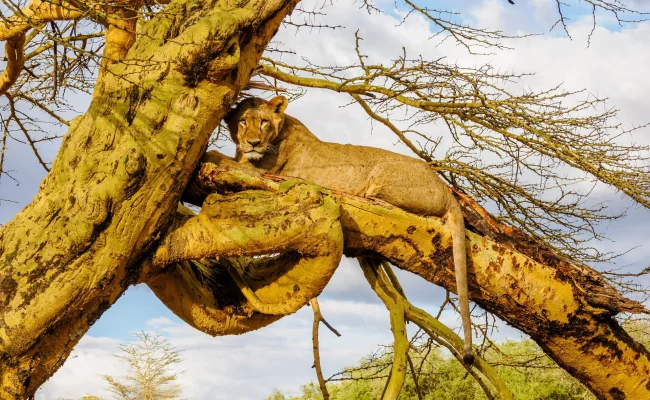
Approximately. 1.5 hrs. After breakfast proceed to the Lake Manyara with a stop at the local market of Karatu. Game and bird watching drives at the Lake Manyara. We may see the famous tree climbing lions unique to this park. Overnight at your Lake Manyara safari lodge or tented camp.-
4x4 Pop-up Land Cruiser
Transport:
-
Game Viewing Drives
Activities:
-
Breakfast, Lunch, Dinner
Meals:
-
View HotelLake Manyara Tortilis Camp
Accomodation:
-
-
Amboseli ( Deaprture: 6:00 am - 5:30pm )
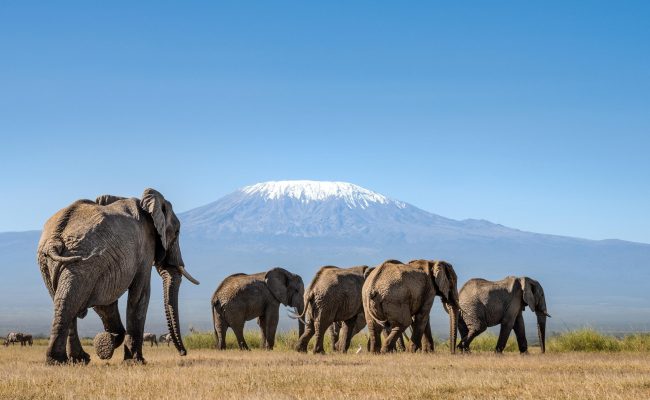
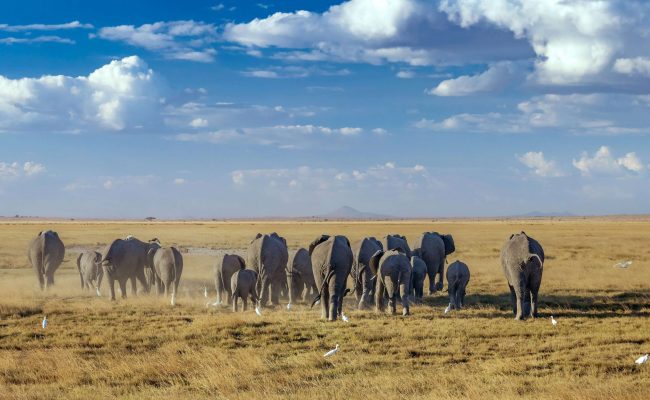
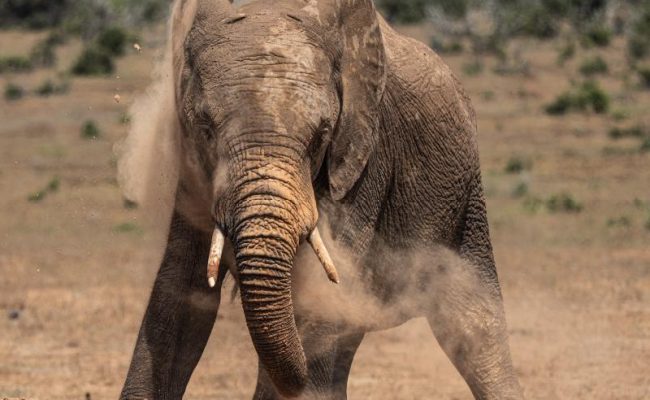
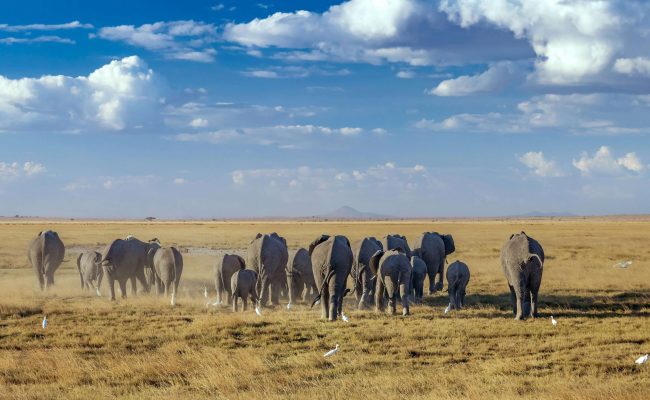
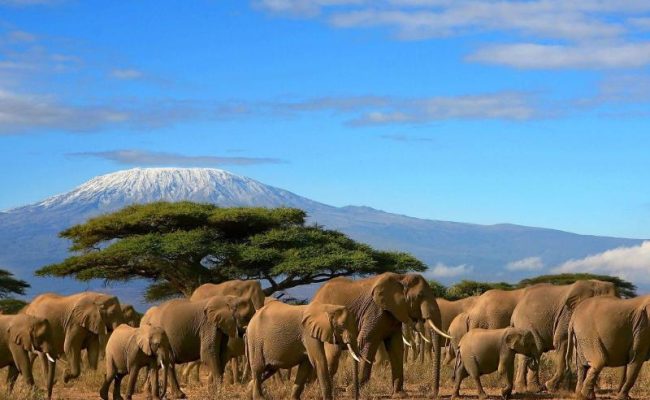
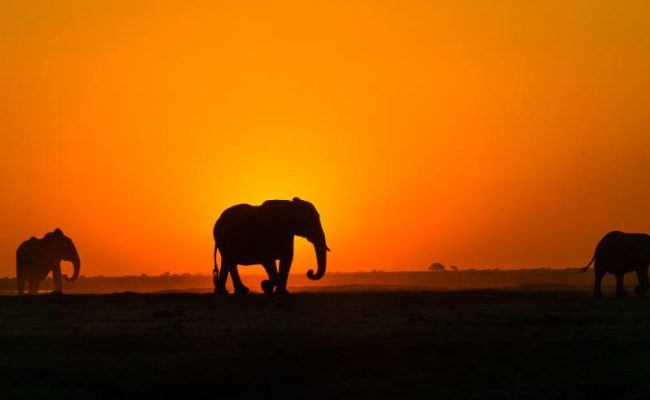
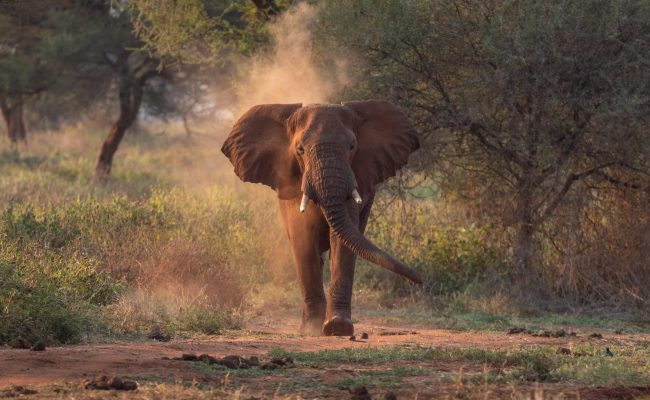
We’ll cover approximately 6hrs. Proceed to the Amboseli National Park. Border crossing and immigration formalities at the Namanga border town . Afternoon game viewing drive at the Amboseli National park with views of Mount Kilimanjaro. Amboseli is an international biosphere nature reserve featuring dried-out lake bed, rolling savannah and lush green swamps. Amboseli hosts various animal species including the Elephant ,Antelope, Spotted Hyena, Jackal, Warthog, Olive baboon, Vervet monkey…… The observation hill at Amboseli park is easily climbed and offers stunning views of Mount Kilimanjaro. What you may see at Amboseli national park …….. Elephant , Cheetah, Buffalo, Giraffe, Zebra, Lion, Plain game, crocodile, Mongoose, Hyrax, Lesser Kudu and birdlife features 600 species. Overnight at your Amboseli safari lodge or tented camp.


Recommended Safari Holiday Ideas.
Other curated list of popular safari packages based on different destinations.
9-Day Best of Kenya Safari Holiday
9 Days/8 Nights
Book Now
Book Now
per person
$1.00-
Experience Optional Activities Hot Air Balloon Rides, Sundowners, Night-Time Game Drives with this premium package.
-
Inclusion This package covers Accommodation, Daily Meals, Park Entry Fees & Local Transfers to ensure a worry-free trip.
Amboseli Safari Tour
3 Days/2 Nights
Book Now
Book Now
per person
$1.00-
Experience Optional Activities Hot Air Balloon Rides, Sundowners, Night-Time Game Drives with this premium package.
-
Inclusion This package covers Accommodation, Daily Meals, Park Entry Fees & Local Transfers to ensure a worry-free trip.
Ol Pejeta Conservancy Safari
3 Days/2 Nights
Book Now
Book Now
per person
$1.00-
Experience Optional Activities Bush Meals, Sundowners, Night-Time Game Drives with this premium package.
-
Inclusion This package covers Accommodation, Daily Meals, Park Entry Fees & Local Transfers to ensure a worry-free trip.
Aberdare, Lake Nakuru & Masai Mara Safari
5 Days/4 Nights
Book Now
Book Now
per person
$1.00-
Experience Optional Activities Hot Air Balloon Rides, Sundowners, Night-Time Game Drives with this premium package.
-
Inclusion This package covers Accommodation, Daily Meals, Park Entry Fees & Local Transfers to ensure a worry-free trip.
10-Day Tanzania Safari
10 Days/9 Nights
Book Now
Book Now
per person
$1.00-
Experience Optional Activities Hot Air Balloon Rides, Sundowners, Night-Time Game Drives with this premium package.
-
Inclusion This package covers Accommodation, Daily Meals, Park Entry Fees & Local Transfers to ensure a worry-free trip.
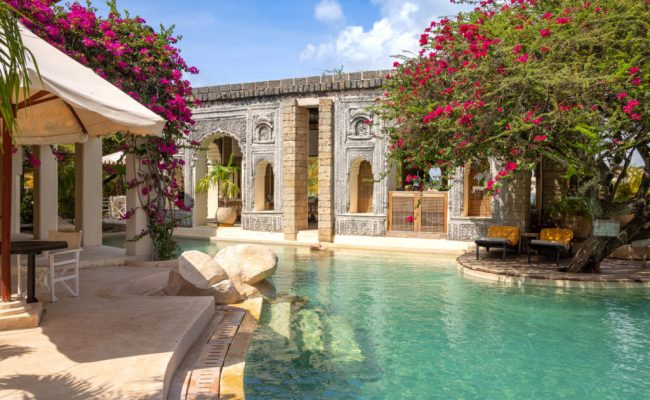
8-Days Kenya Safari and Beach Holiday
8 Days/7 Nights
Book Now
Book Now
per person
$1.00-
Experience Optional Activities Hot Air Balloon Rides, Sundowners, Night-Time Game Drives with this premium package.
-
Inclusion This package covers Accommodation, Daily Meals, Park Entry Fees & Local Transfers to ensure a worry-free trip.